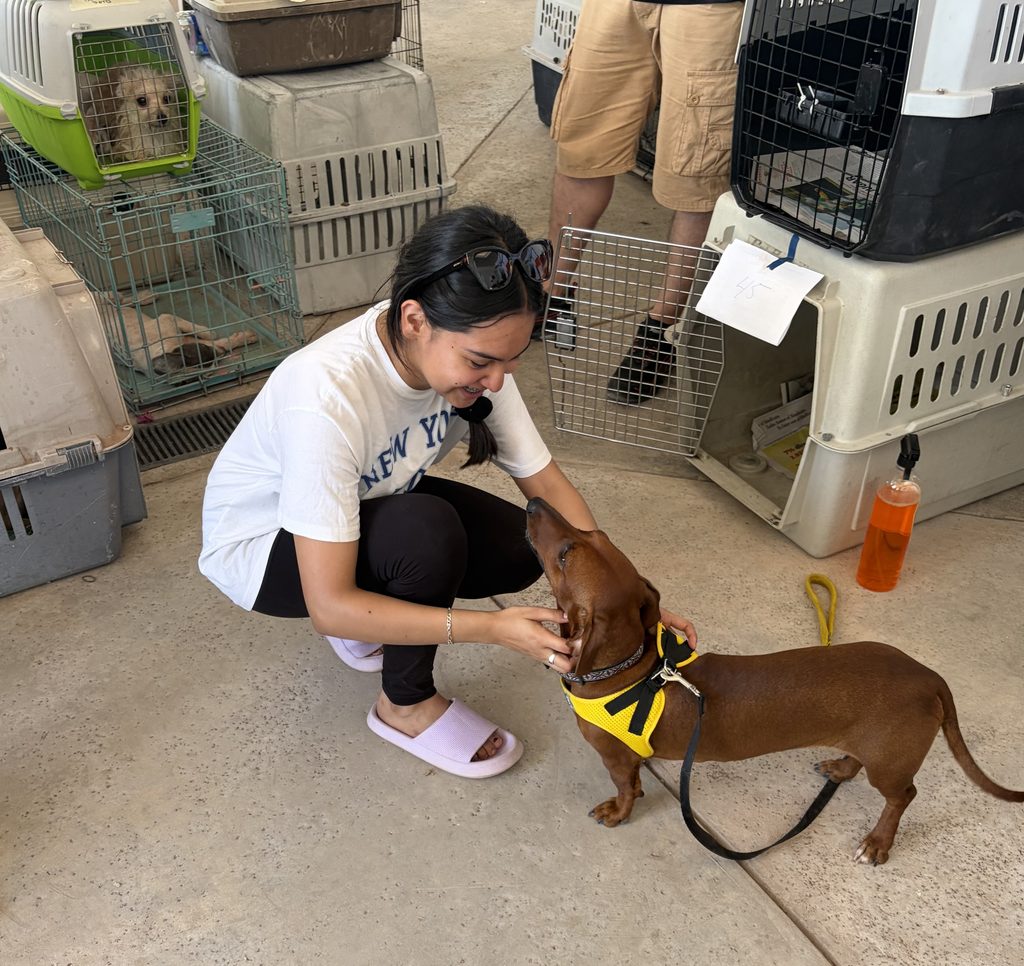
Education Matters for Mexico’s Youth
Raising Responsible Pet Owners & Citizens
In communities across Mexico, pets are far more than animals living in a yard—they are companions, guardians, and integral family members. However, many communities face ongoing challenges regarding street animal overpopulation, preventable pet diseases, and tick-borne health risks.
Teaching young Mexican children how to properly care for pets is one of the most effective ways to transform community health, foster empathy, and create a safer, kinder environment for both humans and animals.
1. The Power of Spay and Neuter (Esterilización)
One of the vital lessons youth can learn is the importance of spaying and neutering pets. Millions of dogs and cats live on the streets in Mexico, leading to public health concerns, vehicle accidents, and suffering for homeless animals.
Key Benefits to Teach Children:
- Prevents Overpopulation: A single unspayed female dog and her offspring can produce tens of thousands of puppies in just six years. Sterilization breaks this cycle directly.
- Healthier, Longer Lives: Spaying eliminates the risk of uterine infections and drastically reduces mammary tumors. Neutering prevents testicular cancer and prostate problems.
- Better Behavior: Sterilized pets are less likely to roam away from home, mark territory inside the house, or display aggressive behaviors toward other animals.
When children understand that sterilization is a routine, compassionate procedure rather than a harm, they help dismantle persistent cultural myths and encourage their families to seek low-cost sterilization clinics (campañas de esterilización).
2. Spotting Ticks: Protecting Animals and Humans from Rocky Mountain Spotted Fever (Rickettsiosis)
In many warm and temperate regions of Mexico, tick infestations present a major health hazard to both pets and humans. Brown dog ticks (Rhipicephalus sanguineus) carry dangerous bacterial infections, most notably Rocky Mountain Spotted Fever (Fiebre Manchada or Rickettsiosis), which can be fatal if untreated.
Educating kids to perform routine “tick checks” turns vital public health defense into an engaging habit.
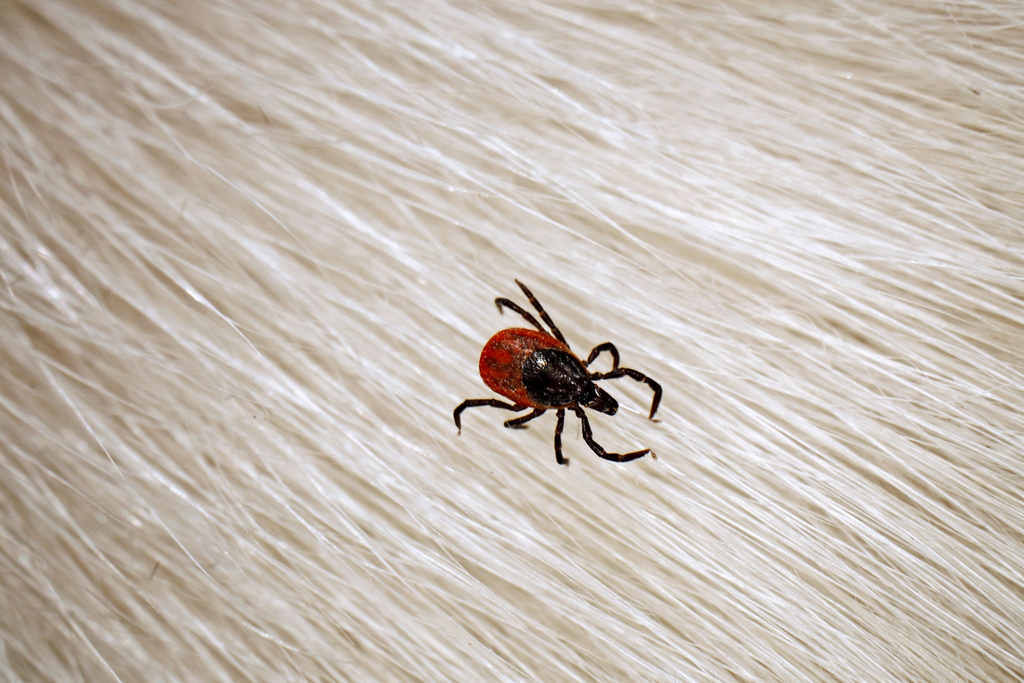
Recognizing ticks early prevents disease transmission. Source: Andreas Häuslbetz / Getty Images
How Kids Can Spot Ticks on Pets:
- Where to Look: Ticks love hidden, warm spots. Teach kids to check inside and behind ears, between toe pads, under armpits, around the tailbase, and under collars.
- What They Look Like: Before feeding, ticks look like tiny, flat, dark-brown spiders with 8 legs. After feeding, they swell into grayish, pea-sized bumps attached directly to the skin.
Recognizing Ticks on Humans:
Children should be trained to tell an adult immediately if they find a tick on themselves or a playmate. Common hiding spots on kids include:
- Along the hairline and behind ears
- Inside the belly button
- Behind the knees and around waistlines
Important Safety Rule: Children should never pull a tick out with their bare hands, squeeze its body, or burn it. Instruct them to alert a parent or adult immediately so it can be safely removed with fine-tipped tweezers by pulling straight up.
3. Building Empathy and Compassion from a Young Age
When children learn to care for an animal, they develop essential social-emotional skills like empathy, patience, and responsibility. In Mexico, where stray dogs (perros callejeros) are a familiar sight in many neighborhoods, early education shifts the mindset from viewing animals as casual strays to understanding them as living beings with feelings, needs, and health requirements.
- Daily Responsibilities: Giving kids age-appropriate tasks—such as keeping water bowls full, brushing fur, and ensuring clean sleeping areas—instills a strong work ethic.
- Understanding Body Language: Teaching kids to recognize when a dog or cat feels stressed, scared, or aggressive helps prevent unnecessary bites and keeps both children and pets safe.
- Compassionate Communities: Children who grow up respecting animals are far more likely to advocate against animal abuse and support community welfare efforts as adults.
Empowering the Next Generation
Educating children on responsible pet ownership is an investment in the health, safety, and heart of Mexican communities. By pairing lessons on basic care and tick prevention with the importance of spaying and neutering, we empower young people to protect their beloved animal companions and safeguard their families against zoonotic diseases.
Support SBPA as we help to educate young people in Sonora Mexico through our educational programs and materials as well as our free spay & neuter clinics. You can help by volunteering for the SBPA or by donating to help fund these programs.