New Laws in Mexico Regarding Street Animals
Laws concerning stray (street) animals in Mexico have shifted away from “capture and euthanize” policies toward a model of coexistence and community care. As of early 2026, the legal framework differentiates between “abandoned” animals and “community” animals.
1. Recognition of “Community Animals” (2025)
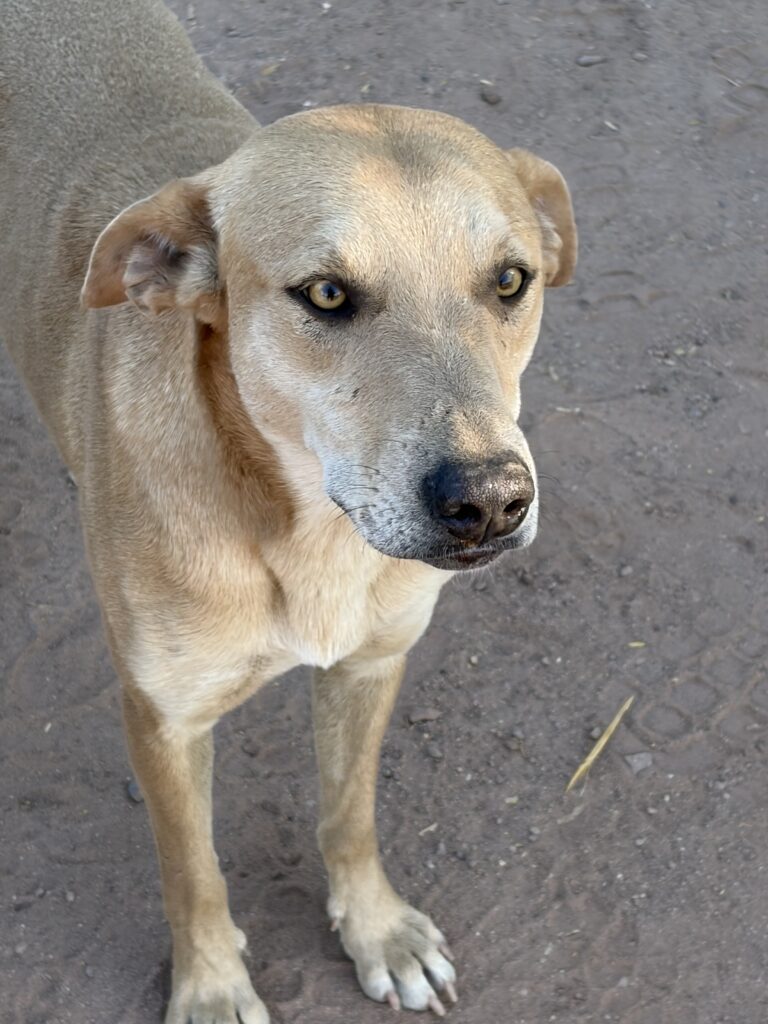
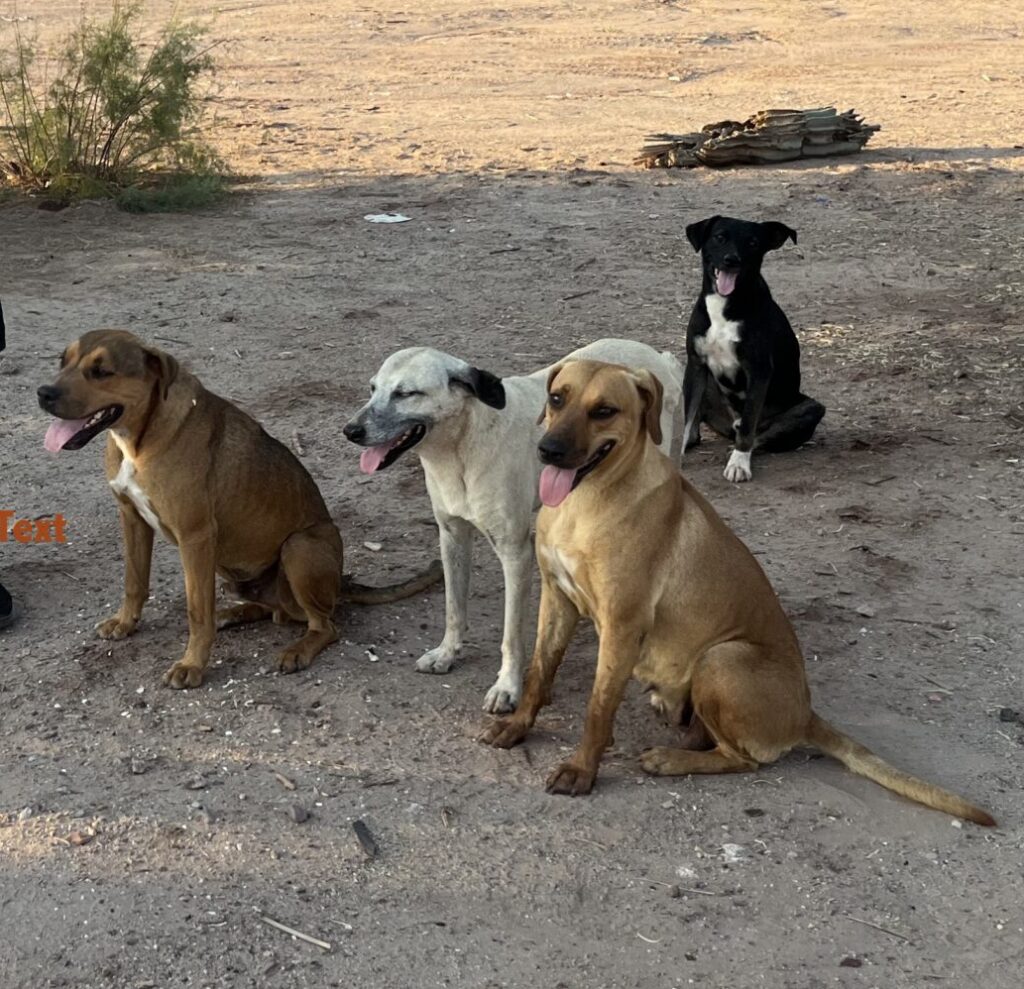
A major shift occurred in 2025, starting in Mexico City and spreading to other urban centers. The law now recognizes Community Animals—dogs and cats that live in public spaces but are fed and monitored by local residents.
- Legal Protection: These animals can no longer be legally seized or euthanized by animal control solely for being on the street.
- Right to Remain: If a community proves it provides “responsible care” (food, water, and basic monitoring), the animal is legally allowed to stay in its neighborhood.
- Government Support: Local Animal Care Agencies are now mandated to support these communities with free sterilization and vaccination clinics rather than removal services.
2. Mandatory Sterilization & Identification
Under the new constitutional reforms (Articles 4 and 73), the state is moving toward a zero-euthanasia goal for healthy stray populations.
- TNR (Trap-Neuter-Return): Many municipalities have officially adopted TNR as the primary method for population control.
- Mandatory Registries: In cities like Mérida and Mexico City, there is an push for a mandatory Pet Registry (like the RUAC in CDMX). While it currently targets owned pets, it is being expanded to “community caregivers” to ensure every street animal is linked to a responsible human contact.
- Microchipping: New regulations encourage or mandate microchipping for all adopted animals to prevent “re-abandonment.”
3. Penalties for Abandonment
Abandonment is now a federal offense under the updated Criminal Codes in all 32 states (with Chiapas being the final state to implement this in late 2025).
- Criminal Charges: Intentionally leaving a dog or cat in the street is considered a form of animal cruelty.
- Fines & Jail: Depending on the state, fines can range from $5,000 to $50,000 MXN, and extreme cases of abandonment that lead to the animal’s death can result in up to 4–6 years in prison.
4. Public Shelters and “Centros de Atención”
The old “Canine Control Centers” (often called perreras) are being legally rebranded as Animal Welfare and Health Centers.
- Dignified Stays: New laws (like Article 12 BIS 2 in CDMX) require these centers to have specific infrastructure to guarantee a “dignified, safe, and healthy” stay for any animal they do take in.
- Adoption Focus: These centers are now legally required to prioritize adoption programs and collaborate with NGOs rather than functioning as “kill shelters.”
Summary of Rights for Street Animal
| Feature | Previous Status | Current Status (2026) |
| Legal Standing | “Things” / Public Nuisance | Sentient Beings / Community Residents |
| Fate if Caught | High risk of euthanasia | Mandatory sterilization and potential return |
| Abandonment | Administrative fault (fine) | Criminal offense (potential jail time) |
| Feeding Strays | Often discouraged/fined | Protected as an act of community care |
SBPA San Carlos offered free spay & neuter clinics and through our volunteer rescuers TNR services for the communities of San Carlos, Guaymas and surrounding areas.